


Winter Entryway Tips: Keep Snow and Salt in Check
When winter settles across Canada, the mess outside often comes in too. Snow, wet shoes, and road salt can spread through a home or business and make entryways hard to keep clean.
Instead of waiting for the first big snowfall, get ready early. A good entrance mat can cut down on dirt and moisture on your floors.
Here is how to get your entryway ready for winter, and why the WaterHog® Mat is worth a look.
1. Understand Why Winter Entryways Need Extra Care
During winter, shoes bring in more than water. Snow melts into puddles. Road salt leaves white marks. Dirt builds up as people move in and out.
For homes, this means more cleaning by the front door or in the mudroom. For businesses, the job is bigger when customers, staff, and deliveries all use the same door.
Start by noting where moisture and dirt collect most. Check your main entrance, side door, mudroom, or the paths used most by customers and staff.
Once you know where the mess starts, choose matting that fits your traffic and cleaning routine.
2. Choose a Mat That Scrapes and Traps Moisture
Not all entrance mats work the same way. In winter, look for a design that removes dirt from shoes and holds moisture before it spreads.
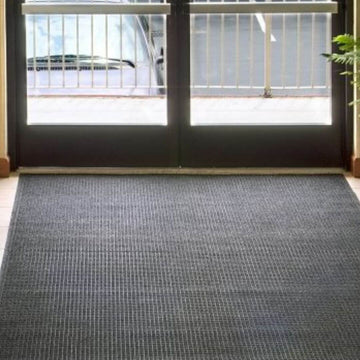
The WaterHog® Mat from Canada Mats has a bi-level surface that scrapes dirt and moisture from shoes and holds it below shoe level. Its rubber nubs help it hold up under regular foot traffic, while the solution-dyed PET surface resists stains and dries fast.
The classic waffle pattern also gives it a clean look for many entry areas.
Whether you are setting up a home mudroom or a business entrance, the WaterHog mat is a strong choice for your winter floor care plan.
3. Build a Better Winter Mat Setup
One mat may not be enough for every entrance, especially in places with heavy foot traffic or frequent snow.
Think about how people move through your space. Do they come straight in from outside? Is there room for a boot area? Does your entrance serve both customers and deliveries?
Use these points to plan your setup:
- At the entrance: Place a right-sized mat where people first step inside.
- Along busy walkways: Add more mat coverage where wet shoes keep moving.
- In mudrooms: Set up a spot for taking off and storing wet boots.
- At commercial entrances: Choose mat sizes that match foot traffic and floor space.
For larger entrances, Canada Mats offers the WaterHog mat in several sizes, including runner options. Check the sizes and product details to find the best fit.
4. Make Winter Cleanup Part of Your Routine
Even a good mat needs care. Snow, salt, and dirt can build up over time, so regular cleaning matters.
For the WaterHog mat, Canada Mats suggests regular vacuuming, with more frequent cleaning in busy commercial areas. When more soil or debris builds up, the mat can be extracted or hosed off as needed and hung to dry.
Always make sure the mat is dry before you put it back in use.
You can also make daily cleanup easier by keeping a boot tray near the entrance, wiping up standing water fast, and checking the floor for slippery spots.
These small habits help keep your winter entryway neat without relying on deep cleaning alone.
5. Prepare Homes and Businesses in Different Ways
Every entrance has different needs, and the right mat depends on how the space is used.
For homes: Focus on the front door, mudroom, or side entrance where family members bring in snow and wet shoes. Choose a size that fits your space and daily traffic.
For businesses: Think about how many people come in each day, how wide the entrance is, and how often you can clean the mat. A well-sized mat can help manage tracked-in dirt and moisture and support your floor care routine. Commercial entrance mats can make a big difference in busy spaces.
The WaterHog® Mat is made for indoor and outdoor use at commercial entrances, including hotels, retail stores, restaurants, offices, schools, and other commercial buildings. Check the product details and install needs before you place it.
Remember that entrance mats are only one part of winter floor care. Clean spills fast and keep walking areas dry to help lower slip risk.

Get Winter-Ready with Canada Mats
Canadian winters bring plenty of reasons to get ready early, from organizing winter footwear to keeping entrances cleaner through months of snow and slush.
The right entrance mat can help control the dirt and moisture that come in with each step. With its bi-level surface, rubber nubs, and classic waffle pattern, the WaterHog® Mat from Canada Mats is a practical winter entryway mat to consider before winter arrives.
Check your busiest entrances, think about your cleaning routine, and pick a mat that fits your space.
The snow may come, but your winter entryway can be better prepared.
Q&A
Question: Why do winter entryways need more preparation than entryways in other seasons?
Short answer: Winter shoes bring in snow, slush, road salt, dirt, and moisture. That mess can spread fast. Good matting, boot storage, and regular cleanup help keep the area easier to manage.
Question: What makes the WaterHog® Mat suitable for winter entrances?
Short answer: The WaterHog® Mat has a bi-level surface that scrapes dirt and moisture from shoes and traps it below shoe level. Its rubber nubs help it handle regular foot traffic, while the solution-dyed PET surface resists stains and dries fast.
Question: Is one entrance mat enough for winter floor care?
Short answer: One mat may be enough for smaller or low-traffic entries, but busy homes and commercial spaces may need more coverage. Placing mats at the main entrance, along wet walkways, or in mudrooms can help more.
Question: How should the WaterHog® Mat be cleaned during winter?
Short answer: Canada Mats recommends regular vacuuming, especially in high-traffic commercial areas. When more soil or debris builds up, the mat can be extracted or hosed off as needed, then hung to dry before use.
Question: Can the same matting approach work for both homes and businesses?
Short answer: The goal is the same: control moisture, dirt, and salt before they spread. But homes should focus on daily entry points such as front doors, mudrooms, or side entrances, while businesses should think about traffic volume, entrance width, cleaning frequency, and floor space.


